The Future of Aerospace Manufacturing Driven by CNC Machining Technology
The Role of CNC Machining in Aerospace Manufacturing
Understanding CNC Machining Technology
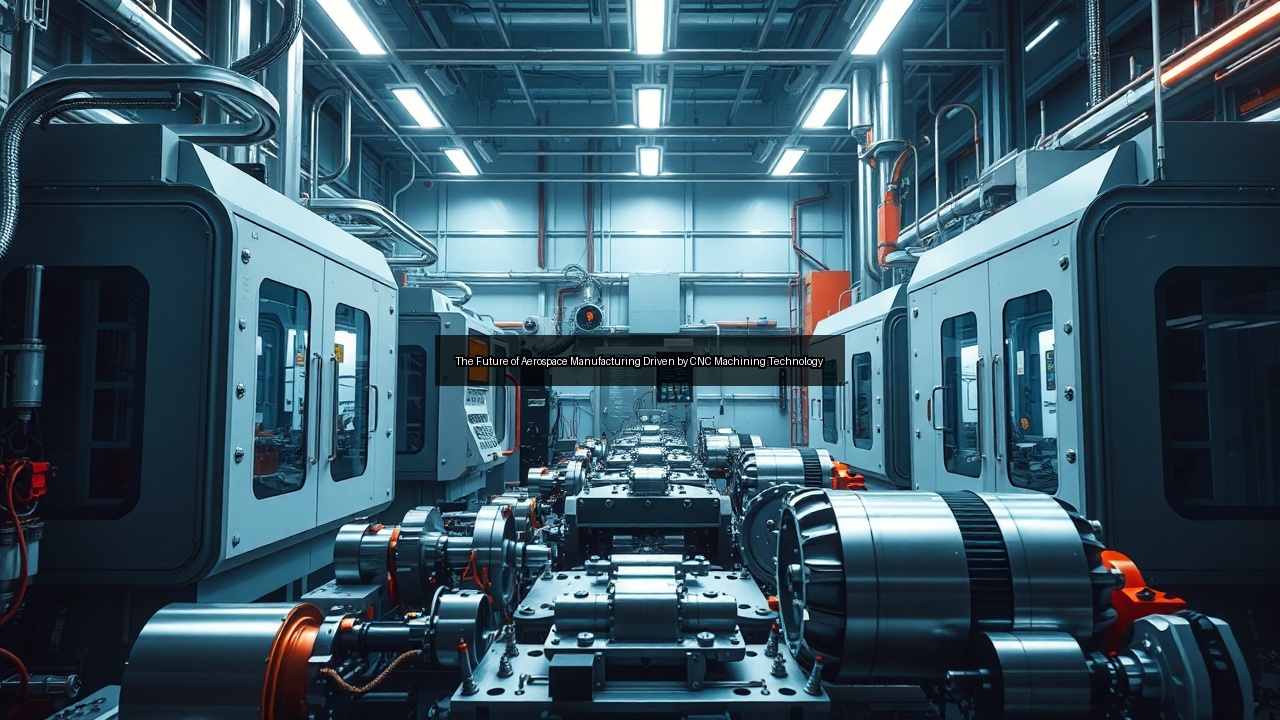
CNC machining, or Computer Numerical Control machining, revolutionizes the aerospace manufacturing landscape. This technology employs computer software to control machine tools, allowing for precise fabrication of complex components. In aerospace, where tolerances can mean the difference between success and failure, CNC machining delivers unparalleled accuracy. Machines can produce intricate designs from various materials, including aluminum, titanium, and Inconel, essential for aircraft structures and engine components. The automation aspect also enhances productivity and reduces human error, streamlining the manufacturing process. As the aerospace sector embraces CNC technology, the potential for innovative designs expands, enabling manufacturers to push the boundaries of what’s possible in aviation.
Benefits of CNC Machining for Aerospace Parts
CNC machining provides several advantages for aerospace parts manufacturing. Precision stands at the forefront, as CNC machines can maintain tolerances within micrometers, crucial for components that endure extreme conditions during flight. The ability to create complex geometries efficiently allows for lightweight designs without compromising strength, enhancing fuel efficiency in aircraft. Cost-effectiveness also plays a significant role; although initial investments in CNC technology can be high, the long-term savings in reduced waste and improved production speed outweigh these costs. Additionally, CNC machining supports rapid prototyping, enabling OEMs and suppliers to iterate designs quickly, thereby accelerating the development timeline for new aircraft models and parts.
Common Materials Used in Aerospace CNC Machining
Aerospace CNC machining often utilizes a range of specialized materials to meet stringent performance requirements. Aluminum alloys dominate due to their lightweight properties and high strength-to-weight ratio, essential for commercial aircraft. Titanium, revered for its corrosion resistance and high strength, features prominently in engine components and critical structural parts. Inconel, a nickel-chromium superalloy, excels in high-temperature environments, making it ideal for turbine components. Stainless steel also finds its place in aerospace applications, delivering durability and resistance to wear. Each material demands specific machining strategies, including tailored coatings and cutting tools, to ensure optimal performance and longevity in demanding aerospace environments.
Quality Assurance and Certifications in Aerospace Manufacturing
Importance of AS9100 Certification
AS9100 certification stands as a critical benchmark in aerospace manufacturing, ensuring compliance with international quality management standards. This certification emphasizes rigorous quality control processes, crucial for maintaining safety and reliability in aerospace components. Companies that achieve AS9100 certification demonstrate their commitment to continuous improvement and customer satisfaction. The certification process involves comprehensive audits, assessing everything from supply chain management to production methodologies. For manufacturers, possessing AS9100 certification not only enhances credibility but also opens doors to partnerships with OEMs and suppliers who prioritize quality. It fosters trust among stakeholders, ensuring that only the best practices guide the manufacturing of aerospace parts.
Quality Control Processes in CNC Machining
Quality control remains paramount in CNC machining for aerospace applications. Manufacturers implement an array of quality control processes to ensure that each CNC machined part meets the stringent specifications required for flight. Techniques like Coordinate Measuring Machines (CMM) provide precise measurements of machined parts, verifying adherence to defined tolerances. Regular inspection throughout the machining process helps catch defects early, reducing waste and rework. Additionally, utilizing advanced software for data analytics enhances the ability to predict potential issues and improve overall quality. By integrating robust quality control measures, manufacturers can confidently deliver components that meet the high standards essential for aviation safety and performance.
Navigating ITAR Regulations in Aerospace
Compliance with the International Traffic in Arms Regulations (ITAR) presents a significant challenge for aerospace manufacturers. ITAR governs the export and import of defense-related articles and services, impacting companies involved in aerospace machining. Manufacturers must implement strict protocols to ensure that sensitive technologies and information remain secure. This includes employee training, securing physical and digital assets, and establishing clear guidelines for information sharing. Navigating ITAR regulations requires a comprehensive understanding of both legal requirements and operational practices. Companies that excel in this area not only safeguard their intellectual property but also enhance their reputation as responsible players in the global aerospace supply chain.
Challenges and Risks in Aerospace Supply Chain Management
Identifying Risks in the Global Supply Chain
The global supply chain for aerospace manufacturing faces numerous challenges that can disrupt operations. Risks include geopolitical tensions, natural disasters, and economic fluctuations that impact material availability and pricing. Delays in the supply chain can lead to increased production costs and project timelines, jeopardizing contracts and relationships with OEMs. Manufacturers must continually assess their supply chain vulnerabilities, identifying potential bottlenecks and developing contingency plans. This proactive approach ensures that even in the face of unforeseen challenges, production continues smoothly, maintaining the integrity of the aerospace manufacturing process.
Supplier Management and Outsourcing Strategies
Effective supplier management is crucial for mitigating risks in aerospace manufacturing. Companies increasingly rely on outsourcing specific components to specialized suppliers, allowing them to focus on core competencies. However, this strategy introduces complexities, particularly in maintaining quality and compliance with aerospace standards. Establishing strong relationships with suppliers enhances communication and fosters collaboration, essential for navigating the intricate demands of aerospace projects. Conducting regular audits and performance evaluations ensures that suppliers meet quality benchmarks. This oversight is vital for maintaining the integrity of the final product, especially in a highly regulated industry where safety is paramount.
Mitigating Risks with Advanced Machining Techniques
Advanced machining techniques play a significant role in mitigating risks within the aerospace supply chain. Techniques such as additive manufacturing and advanced CNC processes allow manufacturers to produce parts on demand, reducing reliance on external suppliers and minimizing lead times. These technologies enable rapid prototyping and adjustments, allowing for swift responses to market changes or design modifications. Implementing digital twins and simulation technologies further enhances risk management by predicting potential issues before they arise. By embracing these advanced techniques, aerospace manufacturers enhance their agility and resilience, ensuring they can adapt quickly to the evolving demands of the industry.
The Future of Aerospace Manufacturing: Trends and Innovations
Emerging Technologies in CNC Machining
Emerging technologies in CNC machining are set to redefine aerospace manufacturing. Innovations such as automation, artificial intelligence, and machine learning enhance the precision and efficiency of machining processes. AI-driven analytics can optimize workflows and predict maintenance needs, reducing downtime and increasing productivity. Additionally, hybrid machining techniques that combine additive and subtractive processes allow for even greater design flexibility. These advancements enable manufacturers to produce complex parts that meet the rigorous demands of modern aircraft. As technology continues to evolve, the aerospace sector will experience a transformation that enhances both manufacturing capabilities and product performance.
Sustainability in Aerospace Manufacturing
Sustainability emerges as a critical focus in aerospace manufacturing, driven by the industry's commitment to reducing its environmental impact. Manufacturers are exploring eco-friendly materials and processes to minimize waste and energy consumption. CNC machining contributes to sustainability by enabling precise cutting and shaping of materials, reducing scrap rates. Additionally, advancements in recycling technologies allow manufacturers to reclaim materials from obsolete aircraft components, further promoting a circular economy. Embracing sustainable practices not only aligns with regulatory requirements but also enhances brand reputation, appealing to environmentally conscious consumers and stakeholders in the aerospace industry.
The Impact of Precision Machining on Aircraft Design
Precision machining significantly influences aircraft design, allowing engineers to explore innovative concepts that were previously unattainable. The ability to manufacture complex geometries with high accuracy enables lightweight structures that improve fuel efficiency. Enhanced precision in components leads to better aerodynamics, contributing to overall performance and safety. Moreover, the customization capabilities of CNC machining facilitate tailored solutions for specific aircraft models, catering to the unique needs of different missions. As the aerospace industry continues to innovate, precision machining will remain a cornerstone of aircraft design, driving advancements that enhance flight capabilities and passenger experiences.
See Also
- A Guide to Outsourcing AS 9100 Machining Services in the Aerospace Sector
- Managing Risks in Aerospace Machining with AS 9100 Compliance
- The Evolution of Machined Aerospace Parts in Helicopter Design
- Understanding the Impact of ITAR on Aerospace Machining Services
- From Aluminum to Inconel Exploring Materials in Aerospace Machining