Fluid Control Solutions - The Backbone of Food Processing Operations
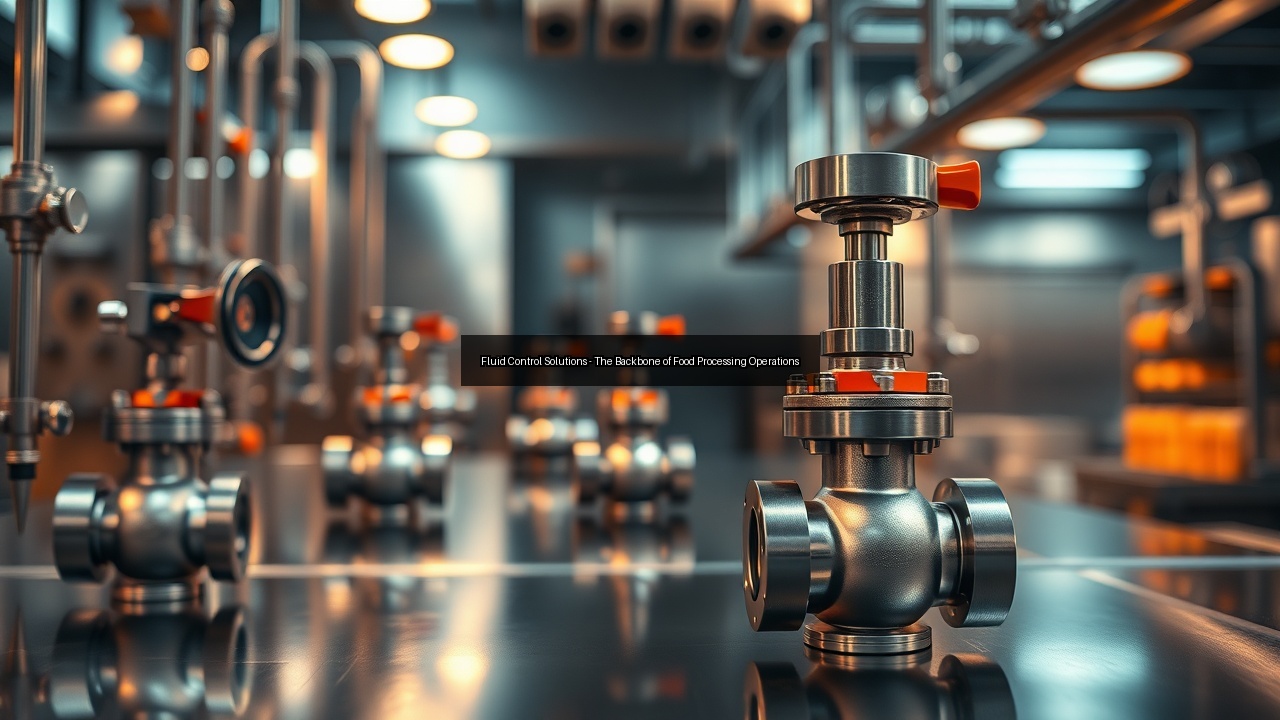
The Importance of Fluid Control in Food Processing
Understanding Fluid Dynamics in the Food Industry
Fluid dynamics plays a crucial role in the food processing industry, influencing the efficiency and safety of production processes. The movement of valves food processing applications liquids—from water to various food ingredients—directly affects the quality and safety of food products. Both the viscosity and flow rates need careful monitoring to ensure that the end products meet the required standards. Proper fluid control systems, including valves for food processing, help maintain optimal conditions during mixing, heating, and cooling processes. Understanding how fluids behave in different circumstances aids food manufacturers in optimizing production lines, enhancing product consistency, and reducing waste. Effective fluid dynamics also contribute to energy efficiency, which is increasingly important in the competitive landscape of food and beverage production.
The Role of Valves in Food and Beverage Production
Valves serve as the critical gatekeepers in food and beverage production, controlling the flow of liquids throughout the processing stages. From adjusting the flow of raw ingredients to managing the discharge of finished products, valves play a pivotal role in maintaining operational efficiency. They help regulate pressures and temperatures, which is essential for processes such as pasteurization in the beverage industry and baking in baked goods production. The precision of control valves ensures that each ingredient is added at the right moment and in the correct amount, significantly impacting flavor and texture. Additionally, the use of valves for food processing enhances safety by preventing leaks and spills, which can lead to contamination or accidents on the production floor.
Key Applications of Valves in Food Processing
Valves find numerous applications within the food processing industry, each serving a distinct purpose. In beverage production, control valves manage the flow of water, syrups, and juices during mixing and filling. In baked goods manufacturing, valves regulate steam and air flow, essential for achieving the desired texture and moisture levels. Safety relief valves play a vital role in maintaining safe pressure levels, protecting equipment and workers from hazards. Check valves prevent backflow, ensuring that contaminated materials do not re-enter clean systems, which is critical in maintaining sanitary conditions. The diverse applications of valves in food processing underline their importance in ensuring both efficiency and safety in food and beverage operations.
Types of Valves Used in Food Processing
Ball Valves: Versatile Solutions for Food Applications
Ball valves stand out as versatile solutions in food processing. Their design features a spherical disc that allows for quick opening and closing, making them ideal for applications requiring rapid flow control. The smooth surface of the ball minimizes friction, reducing the energy required to operate the valve. This type of valve is particularly effective in managing the flow of liquids and gases in various food applications, from dairy processing to beverage manufacturing. The ability to seal tightly prevents leakage, ensuring that fluid integrity remains intact. Additionally, ball valves are available in sanitary designs that comply with food industry standards, making them suitable for direct contact with food products. Their durability and reliability make them a preferred choice in many food processing systems.
Safety Relief Valves: Ensuring Operational Safety
Safety relief valves play a fundamental role in safeguarding food processing operations. These valves automatically release pressure when it exceeds a predetermined level, preventing potential equipment failures or hazardous situations. In high-pressure environments, such as pasteurization systems, maintaining safe pressure levels is crucial. By integrating safety relief valves, manufacturers can avoid catastrophic failures that could compromise product quality or worker safety. Regular maintenance and testing of these valves ensure their reliability, providing peace of mind for operators. The implementation of safety relief valves not only enhances safety but also contributes to compliance with industry regulations, which is essential in the tightly regulated food processing industry.
Check Valves: Preventing Backflow in Food Systems
Check valves serve an essential function in food processing systems by preventing backflow, which can lead to contamination and spoilage. These valves allow fluid to flow in one direction while blocking reverse flow, ensuring that clean ingredients remain uncompromised. In applications such as beverage production, check valves help maintain the integrity of the product by preventing mixing with unwanted substances. This is particularly important when dealing with flavors or ingredients that could alter the final product's quality. The design of check valves can vary, but their primary function remains the same: to protect the food and beverage systems from backflow and maintain sanitary conditions throughout the processing stages.
Sanitary Standards and Regulations for Food Processing Valves
FDA Compliance and Its Impact on Valve Design
FDA compliance significantly influences valve design in the food processing industry. Valves must meet strict sanitary standards to ensure they do not introduce contaminants into food products. This compliance affects the materials used, surface finishes, and overall construction of the valves. Stainless steel, for example, is a preferred material due to its resistance to corrosion and ease of cleaning. Manufacturers often design valves with smooth surfaces and minimal crevices to prevent bacteria buildup. Compliance with FDA regulations not only protects consumers but also enhances the reputation of food processing companies. Failure to meet these standards can result in costly recalls, legal issues, and damage to brand credibility.
Sanitary Valve Features for Food and Beverage Industries
Sanitary valves incorporate specific features that cater to the unique needs of the food and beverage industries. These valves often include easy-clean designs, which facilitate thorough sanitation processes, crucial for maintaining product safety. Many sanitary valves feature tri-clamp connections that simplify installation and disassembly, allowing for efficient maintenance and cleaning. Additionally, many designs are equipped with smooth internal surfaces to minimize the risk of contamination from food particles or biofilm. These features not only comply with health regulations but also enhance operational efficiency, making it easier to maintain high hygiene standards. Investing in sanitary valves ultimately leads to better product quality and safety in food processing operations.
Integrating Automated Systems with Food Processing Valves
Enhancing Efficiency with Automated Control Valves
Automated control valves significantly enhance operational efficiency in food processing. By integrating these valves into production lines, manufacturers can achieve precise control over fluid flow, temperature, and pressure. Automation reduces the need for manual adjustments, minimizing human error and increasing valves food processing applications consistency in production. For example, in beverage manufacturing, automated control valves can manage the mixing of ingredients with exceptional accuracy, ensuring that each batch meets quality standards. Additionally, automated systems can optimize energy consumption, contributing to cost savings. The ability to monitor and adjust processes in real-time leads to improved productivity and product quality, making automated control valves an essential component in modern food processing operations.
Case Studies: Successful Implementations in the Beverage Industry
Numerous case studies highlight the successful implementation of automated systems with valves for food processing, particularly in the beverage industry. One notable example involves a large soft drink manufacturer that integrated automated control valves in its mixing and bottling processes. valve for food processing By automating flow control, the company reduced ingredient waste by 15%, leading to significant cost savings. Another case study focused on a brewery that implemented automated safety relief valves, enhancing their operational safety and compliance with regulations. These implementations not only improved efficiency but also reinforced the importance of investing in modern fluid control solutions. Such advancements showcase how integrating automated systems with valves can transform food processing operations, making them more efficient and compliant with industry standards.
See Also
- The Impact of Valve Design on Food Quality and Safety
- Exploring the Best Valve Options for Efficient Food Packaging Solutions
- Understanding the Different Types of Valves Used in Food Processing
- Valves for Confectionery Production - What You Need to Know
- The Essential Guide to Food Processing Valve Maintenance