How Clean Room Standards Impact Custom Rubber Molding Quality
Understanding Clean Room Standards
What Are Clean Room Standards?
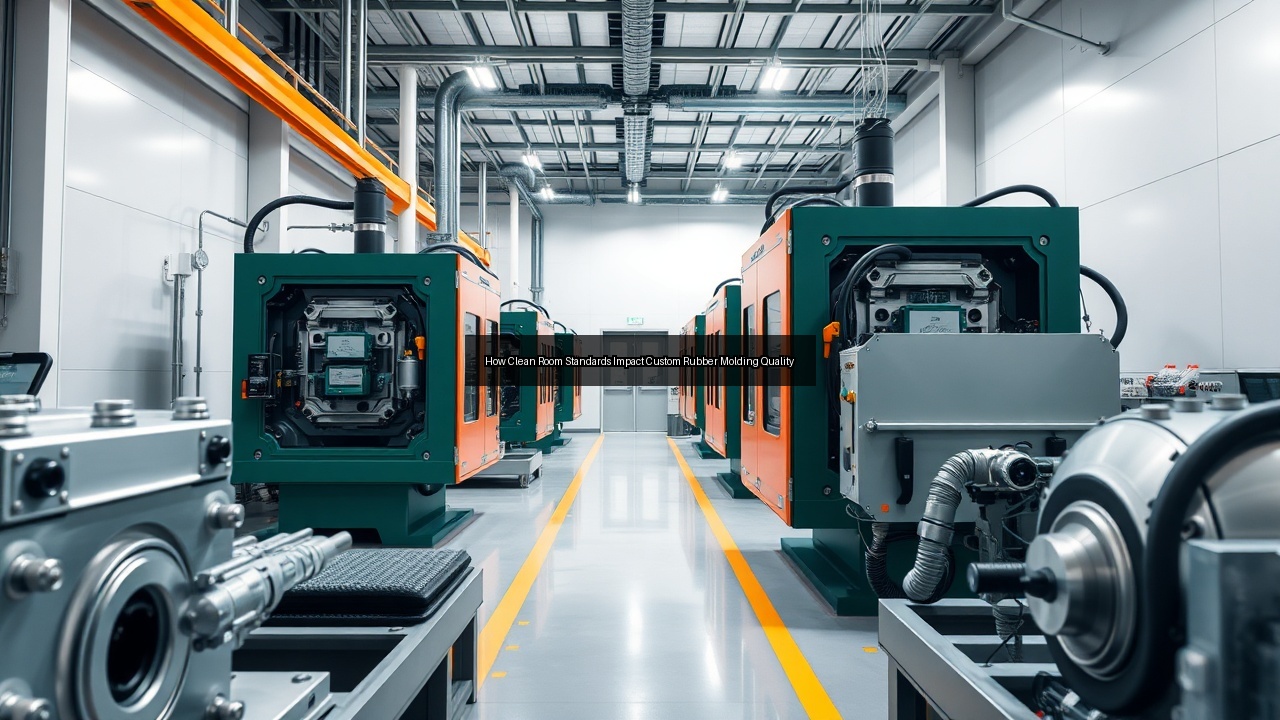
Custom rubber molding demands precise control over every variable that affects final part performance. Clean room standards establish strict limits on airborne particles, microbes, and other contaminants that could compromise rubber custom molds during production. These standards define acceptable particle counts per cubic meter of air across different size ranges, guiding manufacturers on filtration, gowning, and airflow design. Facilities that meet these benchmarks create environments where custom rubber molding achieves consistent results without defects from foreign matter. Engineers rely on these guidelines to select appropriate tooling and maintain mold surfaces free of debris that might alter tolerances in finished components.
Importance of Clean Room Standards in Manufacturing
Manufacturers integrate clean room standards into custom rubber molding workflows to protect product integrity from start to finish. Contamination during mixing or curing can introduce weaknesses that lead to premature failure in seals or gaskets. By enforcing these standards, production teams reduce scrap rates and deliver parts that meet exact customer specifications. The approach supports repeatable outcomes across batches, which proves essential when automotive or medical clients require traceability. Clean rooms also help companies comply with regulatory audits that verify manufacturing conditions support high-quality rubber parts.
ISO Clean Room Classifications
ISO classifications categorize clean rooms by maximum allowable particles, ranging from ISO 1 for the strictest environments to ISO 9 for less critical zones. Custom rubber molding operations typically use ISO 7 or ISO 8 spaces for injection and compression processes. These ratings dictate HEPA filtration levels, air change rates, and pressure differentials that keep contaminants away from molds. Manufacturers match each stage of rubber custom molding to the right classification to balance cost with quality needs. Proper classification ensures elastomers like EPDM and silicone cure without surface imperfections that could affect sealing performance.
Impact of Clean Room Standards on Custom Rubber Molding
How Clean Room Environments Enhance Product Quality
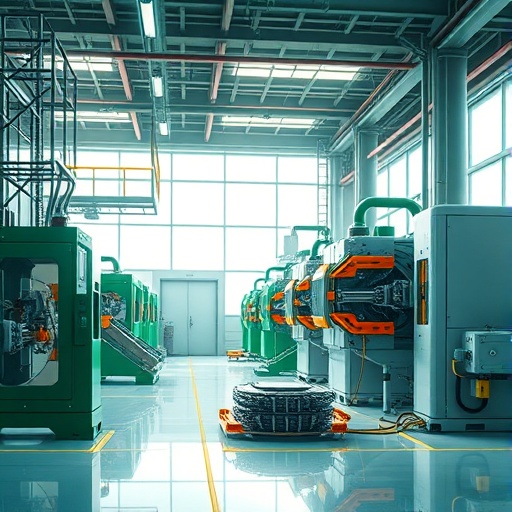
Clean room environments directly improve the quality of custom rubber molding by limiting exposure to dust and fibers that embed in compounds during mixing. Parts emerge with smoother surfaces and tighter dimensional control because molds stay free of particles that distort cavity geometry. This controlled setting allows manufacturers to produce intricate rubber shapes for vibration-damping applications without secondary cleaning steps. Customers receive components that perform reliably under pressure and temperature extremes. The result is fewer returns and stronger partnerships built on consistent delivery of precision-molded elastomers.
The Role of Temperature and Pressure in Clean Rooms
Temperature and pressure control inside clean rooms stabilizes the custom rubber molding cycle from compound preparation through demolding. Precise temperature settings prevent premature curing or flow inconsistencies that ruin injection-molded parts. Pressure regulation maintains uniform cavity fill and supports strong bonding between rubber and inserts. Manufacturers monitor these parameters continuously to keep tolerances within specification across production runs. Stable conditions also protect sensitive materials such as silicone from degradation, ensuring every batch of custom rubber molds meets engineering requirements.
Reducing Contaminants in Rubber Manufacturing Processes
Reducing contaminants during rubber manufacturing protects mold surfaces and extends tool life in custom rubber molding operations. Air showers and gowning protocols strip particles from personnel before they enter production areas. Laminar airflow sweeps away any residual dust generated during trimming or inspection. These measures prevent defects like voids or inclusions that weaken gaskets and bushings. Manufacturers document contamination control data to demonstrate process capability to customers who demand high-purity rubber components for food-grade or automotive uses.
Technologies and Techniques in Custom Rubber Molding
Injection Molding vs. Compression Molding: A Clean Room Perspective
Injection molding suits high-volume custom rubber molding projects because it fills cavities quickly under controlled pressure while clean room conditions protect the compound. Compression molding remains valuable for larger parts or lower volumes where rubber custom molds require longer cure times. Both techniques benefit from ISO-classified spaces that reduce flash and surface blemishes. Engineers evaluate part geometry, material flow, and tolerance needs before selecting the method. Clean room integration ensures each approach delivers repeatable results without contamination-related rework.
Transfer Molding Innovations for Clean Environments
Transfer molding innovations allow precise placement of rubber into cavities while maintaining clean room integrity. Pot-and-plunger systems minimize operator handling and reduce exposure time that could introduce particles. Advanced temperature zoning in these molds supports consistent curing of complex elastomers. Manufacturers apply transfer techniques when custom rubber molding requires inserts or intricate features that injection processes cannot accommodate. The method delivers strong bonding and tight tolerances essential for noise and vibration control components.
Using Advanced Materials: EPDM, Silicone, and Elastomers
Advanced materials such as EPDM, silicone, and specialized elastomers perform best when processed in clean rooms that preserve their purity. EPDM offers excellent weather resistance for automotive gaskets, while silicone handles high-temperature applications in food processing equipment. Manufacturers select compounds based on chemical compatibility and mechanical demands before designing molds. Clean room conditions prevent filler contamination that could alter durometer or elongation values. This material-focused approach enables custom rubber molding teams to meet diverse customer requirements with reliable, high-performance parts.
Quality Assurance and Inspection in Clean Rooms

Importance of Tolerances and Specifications
Tolerances and specifications drive every decision in custom rubber molding because even minor deviations affect sealing or damping performance. Clean room protocols support measurement of critical dimensions immediately after demolding when parts remain stable. Manufacturers verify wall thickness, hole locations, and overall geometry against customer drawings using calibrated tools. Documented tolerance data builds confidence that production runs will match prototype results. Precise control also simplifies validation for industries that require statistical process control records.
Expert Techniques for Quality Inspection
Expert quality inspection techniques combine visual checks with automated vision systems inside clean rooms to catch surface defects early. Technicians examine molded rubber parts for flash, knit lines, and inclusions under controlled lighting. Coordinate measuring machines confirm dimensional accuracy without risking contamination from external environments. These methods allow manufacturers to adjust process parameters quickly and maintain consistent output. Thorough inspection protects customer investments by ensuring every shipment of custom rubber molds meets agreed standards.
Bonding and Packaging Considerations in Clean Rooms
Bonding and packaging steps performed in clean rooms protect the integrity of custom rubber molding products until they reach the customer. Adhesive application for rubber-to-metal bonds requires particle-free surfaces to achieve full strength. Once cured, parts move directly into sealed packaging that prevents dust accumulation during shipping. Manufacturers label each package with material lot information and inspection results. This controlled workflow reduces handling damage and preserves the quality achieved during the molding process.
Applications of Custom Rubber Molding in Various Industries
Automotive Components: Bushings, Gaskets, and Bumpers
Automotive manufacturers depend on custom rubber molding for bushings, gaskets, and bumpers that absorb vibration and seal critical systems. Clean room production ensures these parts meet strict cleanliness standards that prevent contamination of fuel or brake lines. EPDM and other elastomers molded under controlled conditions deliver long-term durability against road chemicals and temperature swings. Suppliers provide parts with documented tolerances that integrate smoothly into assembly lines. The result supports vehicle performance and reduces warranty claims related to rubber component failure.
Food Industry Compliance and Custom Rubber Molds
Food industry compliance requires custom rubber molds produced in clean rooms that satisfy FDA and EU material regulations. Silicone and food-grade elastomers resist migration of particles into products during processing. Manufacturers validate cleaning procedures and maintain traceability from compound to finished grommet or seal. Clean room standards also support extrusions used in conveyor systems where hygiene remains paramount. Customers gain confidence that rubber custom molding meets both functional and regulatory demands for safe contact with consumables.
Noise and Vibration Damping Solutions in Engineering
Engineering teams specify custom rubber molding for noise and vibration damping solutions that improve equipment reliability and operator comfort. Molded elastomers isolate motors, pumps, and structures from resonance frequencies. Clean room processing guarantees uniform material properties that maintain damping effectiveness over time. Manufacturers work with customers to optimize part design for load, temperature, and chemical exposure. The resulting components extend service life and reduce maintenance costs across industrial applications.
See Also
- Understanding the Tolerances in Custom Rubber Molding Processes
- Expert Insights on Designing Effective Custom Rubber Molds
- The Art and Science of Custom Rubber Molding Explained
- The Role of Custom Rubber Molding in Noise and Vibration Control
- Unlocking the Power of Custom Rubber Molding for Innovative Designs